On July 13, 2026, the European Commission adopted a Delegated Act formally removing cattle hides, skins, and leather from the scope of the EU Deforestation Regulation (EUDR). The act now enters a two-month scrutiny period before the European Parliament and Council; once that concludes without objection, it will be published in the Official Journal of the European Union, currently expected in mid-September. At that point, the exclusion becomes binding law.
For U.S. hide exporters and the brands that source leather for EU markets, this is a significant development. It is worth being precise about what it means and what it does not.
What the EUDR required
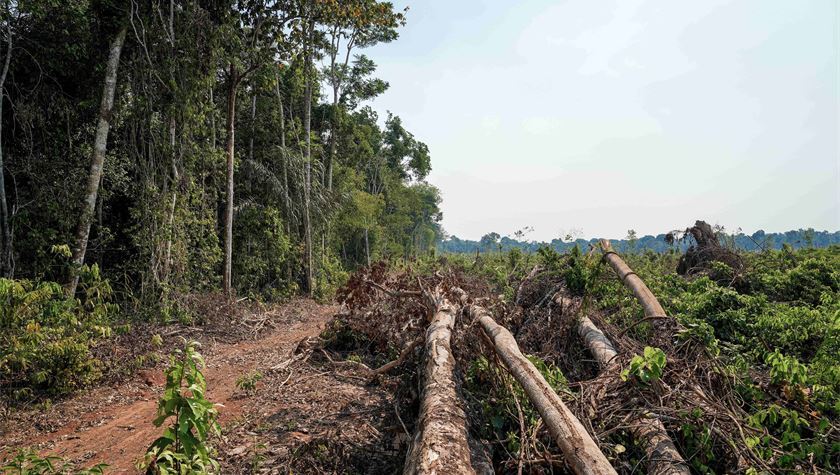
The EUDR was designed to keep products linked to deforestation off EU shelves. In its original form, the regulation covered seven commodities, including cattle, and required companies placing covered products on the EU market to demonstrate those products were not associated with land deforested after December 31, 2020. The compliance mechanism was geolocation-based due diligence: operators would need to trace material back to specific plots of land and confirm no deforestation had occurred there.
For the leather supply chain, that requirement created a structural problem. Hides move through multiple countries and processing stages before reaching a finished product. Geolocation traceability at the scale required was technically complex and commercially burdensome, particularly for U.S. exporters whose cattle are raised on established agricultural land.
There was also a more fundamental issue. An independent study commissioned by COTANCE and UNIC, conducted by the Sant'Anna School of Advanced Studies at the University of Pisa using more than 94 million data records, found no scientific evidence linking leather to deforestation. That finding was independently reinforced by research from Montana State University. The regulation's own explanatory memorandum acknowledged a related structural reality: hides account for approximately 1.5% of a bovine's total value at the abattoir, as confirmed by the 2026 UNIDO Guidelines for Assessing the Environmental Footprint of Leather. Operators downstream of the supply chain have limited commercial leverage to demand due diligence data from suppliers when hides carry so little economic weight relative to the meat from the same animal.
How the exclusion was secured
The Delegated Act mechanism allows the Commission to amend non-essential parts of an existing regulation, specifically the product scope listed in Annex I, without reopening the full legislative text. This was the pathway LHCA, COTANCE, UNIC, and their partners pursued.
LHCA worked alongside COTANCE and the International Council of Tanners throughout this process, engaging USTR and USDA as part of a coordinated effort to make the case for exclusion directly to EU institutions. The Commission published its draft proposal in May 2026. A public comment period closed June 1. The act was formally adopted July 13.
The outcome removes three HS codes, 4101, 4104, and 4107, covering raw hides, wet blue, and finished leather, from Annex I. Cattle remain one of the EUDR's seven regulated commodities, which means that beef and other products derived from cattle continue to be subject to the regulation's requirements. The exclusion is specific to hides and leather.
What it means for exporters and brands
For U.S. hide and leather exporters, the practical effect is the removal of a compliance obligation that would have required new systems, documentation, and supplier coordination for EU-bound shipments. Companies that had begun preparing for EUDR due diligence, documenting geolocation data, mapping provenance, preparing operator statements, can stand down those preparations for leather specifically.
For brands sourcing leather for EU markets, the outcome removes a layer of supply chain complexity that had been creating real uncertainty in material sourcing decisions. Some brands had begun modelling alternative materials or sourcing regions partly in anticipation of EUDR compliance costs on leather. That calculation changes.
One caveat worth noting: the Delegated Act foresees a review of leather's inclusion in the EUDR scope in 2030. That review will draw on a four-year period of data and regulatory experience. The industry's ability to demonstrate responsible sourcing practices and credible traceability infrastructure over that period will matter.
The broader context
The EUDR exclusion is a regulatory outcome, not a sustainability endorsement. The leather industry's argument throughout this process has been that hides are a byproduct of meat production, that U.S. cattle are raised on established agricultural land with no material connection to tropical deforestation, and that applying the regulation's compliance logic to this supply chain added cost and friction without environmental benefit. That argument prevailed.
Making it required credible, peer-reviewed science. The Sant'Anna study and the UNIDO guidelines provided that foundation. The lesson for the industry is that the same rigor will be necessary in every future regulatory engagement, the 2030 review included.
LHCA will continue monitoring EUDR implementation and tracking parallel regulatory developments in key export markets. Members with questions can contact the LHCA office at info@usleather.org.